
Innovative Home Robot 2026: Transforming Family Life with Essential Assistance
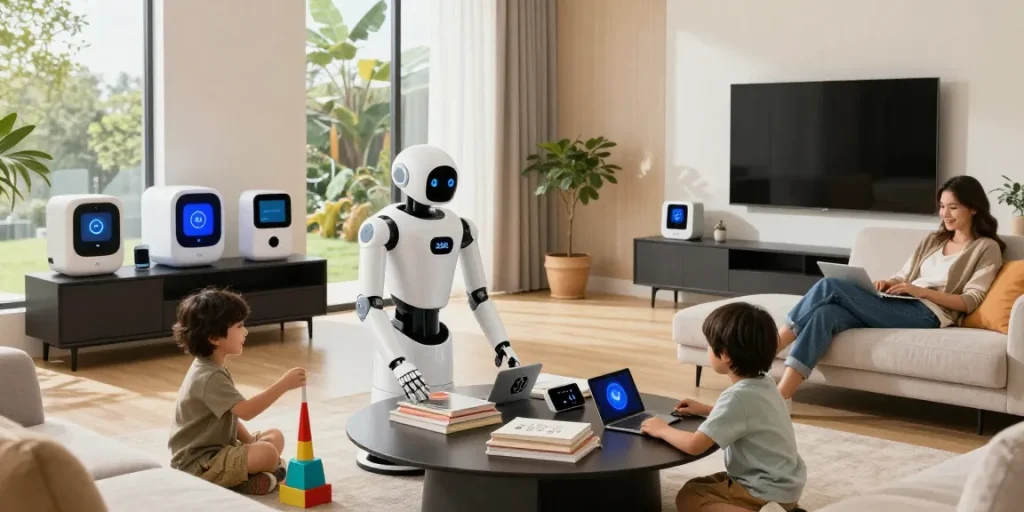
The Rise of Home Robots in 2026
The concept of home robotics has evolved significantly, transitioning from mere concepts in sci-fi films to tangible products available in the marketplace. As we enter 2026, the landscape is set to flourish with innovative home robots designed to assist with mundane tasks, improve quality of life, and even enhance personal security. Leading research indicates that the demand for home robot solutions is steadily growing, driven by advancements in technology and an increasing desire for automation in daily life. When exploring options, home robot 2026 presents a plethora of insights into the best offerings in the market.
Understanding the Home Robot 2026 Trend
The trend towards home robots is underpinned by a cultural shift towards automation and smart living. With the rapid integration of AI capabilities, these robots are not just programmed assistants; they are becoming more intuitive and responsive to human needs. Areas like cleaning, cooking, and even companionship are being redefined by smart robotics, making them an attractive option for modern households.
Market research forecasts that the home robot market will expand exponentially in the coming years, with technologies such as machine learning, natural language processing, and advanced sensor technologies driving innovations. Leading companies are investing heavily in research and development to ensure their products meet evolving consumer needs and preferences.
Key Players in the Home Robot Market
Some notable players in the home robotics field include:
- iRobot: Known for its Roomba series, iRobot continues to lead in practical cleaning solutions that navigate homes autonomously.
- Samsung: With its range of smart home products, Samsung includes robotic vacuum technology integrated with its SmartThings platform.
- Lego: Recently branching into home robotics with fun, educational kits that appeal to families, promoting tech literacy from a young age.
- LG: With their CLOi series, LG is leveraging AI to engage in household chores, creating a buzz at trade shows like CES.
These companies are not just competing on features but are also focusing on user-friendly interfaces and seamless integration with existing smart home systems.
Features to Look for in Home Robots
Task Automation Capabilities
One of the primary functions of home robots is their ability to automate mundane tasks. From vacuuming to dishwashing, the best models can perform a multitude of chores efficiently. Many robots now come equipped with customizable schedules and task prioritization to suit household needs.
Intelligent Learning and Adaptation
Robots that learn from their environment and user interactions are increasingly common. With machine learning algorithms, these devices can adapt their behavior based on family routines, improving their efficiency over time. For instance, a robot vacuum may learn the high-traffic areas of a home and prioritize cleaning those spots more frequently.
Integration with Smart Home Systems
Modern home robots must work seamlessly with other smart devices. This integration allows users to control their robots remotely via smartphone apps, enabling them to monitor tasks and even provide updates on energy consumption and maintenance needs.
Benefits of Owning a Home Robot
Time-Saving Advantages
In our fast-paced world, time is a precious commodity. Home robots can save hours that would otherwise be spent on chores, allowing families to focus on more meaningful activities, such as spending time together or pursuing hobbies.
Enhancing Family Interaction
By delegating repetitive tasks to robots, families can enjoy higher quality interactions. This not only enhances family bonding but also allows individuals to engage with their loved ones without the distractions of household chores.
Assistance for Elderly and Disabled Individuals
Home robots can significantly improve the quality of life for elderly individuals and those with disabilities. From assistance with mobility to performing simple tasks like picking up items, these robots serve as valuable companions and caregivers.
Challenges of Implementing Home Robots
Affordability and Cost Considerations
While home robots promise convenience, their cost can be a barrier for many households. Entry-level models can be relatively affordable, but advanced robots featuring robust AI capabilities often come with hefty price tags. Consumers must weigh the benefits against the investment required.
Technical Limitations and Reliability
Despite advances, many home robots still face technical limitations. Issues such as battery life, navigation, and task errors can hinder their effectiveness. As technology improves, manufacturers are striving to address these reliability concerns.
Privacy Concerns with Smart Technology
As with any smart device, privacy concerns are paramount. Consumers may be wary of how data is collected and used, especially in robots equipped with cameras and microphones. Transparency and robust security measures are crucial for trust in these technologies.
The Future of Home Robots Beyond 2026
Emerging Technologies in Robotics
Looking forward, the home robot market is set to benefit from several emerging technologies. Advancements in AI, robotics, and battery technology will enable more sophisticated and user-friendly devices. Innovations such as advanced machine learning algorithms, augmented reality interfaces, and haptic feedback mechanisms will redefine the capabilities of robots.
Predictions for Home Robot Development
Experts predict that by 2030, home robots will become commonplace, performing multiple tasks simultaneously and offering enhanced interaction capabilities. The vision of a fully automated home may soon be a reality, creating a paradigm shift in how households operate.
Potential Impact on Daily Life and Work
The integration of home robots could redefine our daily lives, providing assistance that enhances productivity and well-being. Telecommuting may become easier as robots handle household tasks, allowing workers to focus on their responsibilities without the distractions of home chores. Additionally, these advancements could foster innovations in other sectors, such as elder care and health services, as robots and AI collaborate to provide support where it’s needed most.
What is a home robot’s price range for 2026?
The average price of a home robot in 2026 is projected to range from $1,000 for basic models to $20,000 for advanced humanoid robots. Consumers will come across various options tailored to different budgets and needs.
Can home robots handle multiple chores simultaneously?
As technology advances, the ability to perform multiple chores concurrently is becoming a reality. Many new models are designed to handle various tasks, such as vacuuming while also providing surveillance or assistance in the kitchen.
How do home robots integrate with existing smart home devices?
Home robots increasingly integrate with existing smart home ecosystems, allowing users to control lighting, security, and appliances through a single interface. This seamless interconnectivity enhances efficiency and convenience.
Are home robots safe for families with pets?
Most home robots are designed with safety features to prevent accidents, including obstacle detection and responsive navigation. However, pet owners should monitor interactions, as some robots may inadvertently disturb pets during their tasks.
What advancements are expected in humanoid robots in 2026?
Humanoid robots in 2026 are expected to feature enhanced emotional AI, allowing them to interact more naturally and sympathetically with users. Improvements in dexterity and physical capabilities will also enable them to tackle a broader range of household tasks.